
Core Objective and Level Flow
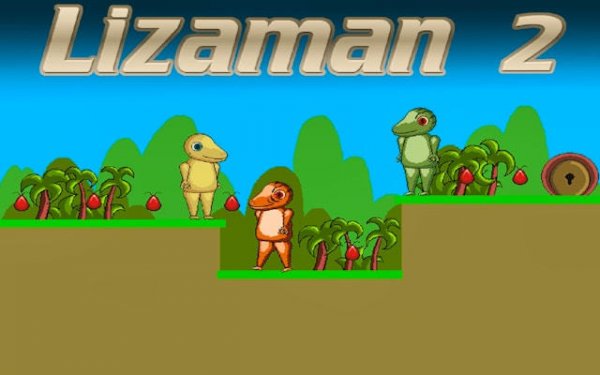
In Lizaman 2: Bug Quest Adventure Platformer, you control Lizaman across a series of colorful 2D stages. Each level presents a clear task: gather every red bug scattered around the map, then make your way to the exit. You cannot simply rush to the finish line—leaving even one bug behind means the level isn't complete. This collect-and-exit loop defines the pace, encouraging you to explore each layout thoroughly before moving on. [IMG_1]
Movement and the Double Jump
Lizaman moves left and right using standard keyboard keys, typically WASD or the arrow keys, and can crouch to slip under low obstacles. The double jump is the central mechanic: press the jump key twice while airborne to reach higher platforms and grab bugs that are otherwise out of reach. Timing matters, especially when a bug sits above a hazard or a narrow ledge. The controls are designed to be responsive and easy to learn, so the challenge comes from reading the level rather than fighting the input.
Level Design and Difficulty Curve
This sequel improves on the original with more thoughtful layouts. Difficulty rises gradually across many levels, and each stage introduces new arrangements and obstacles to keep the experience fresh. Because the double jump adds a layer of strategy, some bugs require a specific approach or a short backtrack. Enemy patterns and hazard placements are placed fairly, so mistakes usually come from rushing rather than unfair design. The result is a calm yet satisfying platformer that respects your time.
Visual Style and Audience
Bright visuals and simple objectives make Lizaman 2 easy to understand at a glance. The game avoids violent themes entirely, focusing instead on collection and precise movement. This makes it suitable for casual players who want a relaxed pace, as well as platformer enthusiasts looking for a fair challenge. Family-friendly graphics and clear goals mean players of most ages can pick it up without a lengthy tutorial. [IMG_2]
COMMENTS
0 comments