
Event-Based Puzzle Design
Every stage in 2020 Puzzle Retrospective is built around a specific occurrence that shaped the year 2020. The scenarios range from environmental changes to societal shifts, but the game presents them as lighthearted puzzles rather than heavy commentary. The design avoids dwelling on serious topics, focusing instead on the problem-solving aspect of each event. This lets players engage with historical moments in a constructive and entertaining way without the experience becoming a lecture.
Core Mechanics and Interaction
Using a mouse or touchscreen, players interact with on-screen elements to complete each challenge. Tasks may involve sorting items, arranging objects, or making timed decisions based on visual cues. The controls are straightforward, making the game accessible to both casual and experienced players. Clear prompts guide users through each new task, ensuring a smooth learning curve. The interaction model stays consistent across levels, so the challenge comes from the puzzle logic rather than from learning new input schemes.
Accessibility and Session Length
Levels are intentionally brief, designed to fit into short breaks or waiting periods. The game runs entirely within a web browser, requiring no installation or account creation. This low barrier to entry means anyone can start playing immediately. The interface adapts well to both desktop and mobile screens, providing a consistent experience across devices. Because each session is short, players can complete a few levels and leave without feeling locked into a long commitment.
Visual and Audio Atmosphere
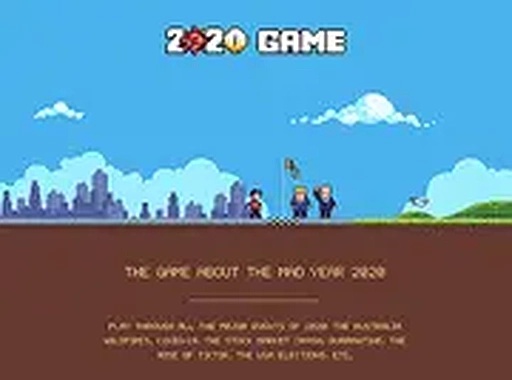
The game uses a clean, colorful visual style that suits its family-friendly nature. Animations are smooth but not distracting, keeping the focus on the puzzles themselves. Background music and sound effects are subtle, enhancing the experience without overwhelming the player. This balanced presentation helps maintain concentration during timed challenges, where a sudden loud noise or flashy animation could easily break focus.
Progression and Replay Value
As players advance, the puzzles gradually increase in complexity, introducing new mechanics and faster decision-making. Each completed level unlocks the next, building a sense of accomplishment. The variety of scenarios encourages replay, as players can improve their performance on earlier stages. This structure provides a satisfying loop of learning and mastery, where returning to a previous puzzle often reveals a more efficient solution.
COMMENTS
0 comments