
Core Puzzle Mechanics
Acorn Guardians: Woodland Puzzle Quest centers on navigating a series of hand-crafted stages where a strange green substance blocks paths and spawns unusual creatures. Players must push wooden crates to form bridges, reach elevated ledges, or block the goo's spread. The puzzles require careful observation and timing, as each level introduces new arrangements of platforms and hazards. Success depends on planning moves rather than quick reflexes, making it accessible to players of various ages.
Visual Style and World Design
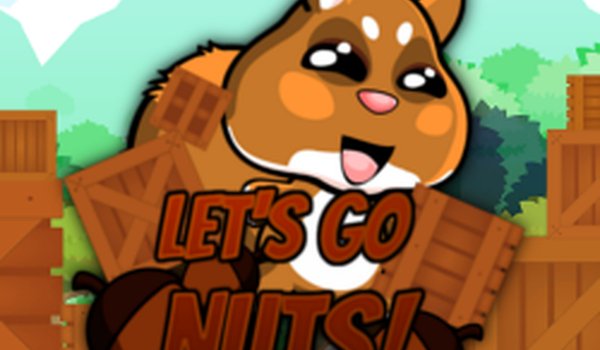
The game presents a cheerful forest setting with vivid colors and friendly character designs. Each stage features leafy backgrounds, wooden structures, and hidden alcoves that reward exploration. The art style avoids dark or threatening imagery, maintaining a lighthearted tone throughout. Animations are smooth and clear, helping players track their character's position and the movement of environmental elements. The overall presentation supports the game's focus on creative problem-solving.
Character Customization Options
As players progress, they collect golden acorns scattered throughout the levels. These acorns serve as currency to unlock different outfits for the main character. Available styles may include a ninja-like look, a hooded appearance, and other themed costumes. Each outfit changes the character's visual appearance but does not affect gameplay mechanics. This system gives players a goal beyond simply completing stages and adds a layer of personal expression.
Multiplayer and Social Play
Acorn Guardians includes modes for multiple players, allowing friends or family to join the adventure. In cooperative play, participants work together to solve puzzles and collect acorns, coordinating their actions to overcome obstacles. Competitive modes challenge players to gather the most acorns or reach the end of a level first. The split-screen option makes it easy to share the experience on a single device, encouraging group interaction.
Progression and Level Design
Levels are arranged in a sequence that gradually increases in complexity. Early stages introduce basic movement and crate pushing, while later ones combine multiple puzzle elements and require more strategic thinking. Hidden paths and optional collectibles encourage thorough exploration. The difficulty curve is gentle, ensuring that younger or less experienced players can enjoy the game without frustration, while still offering enough challenge to keep older players engaged.
COMMENTS
0 comments