
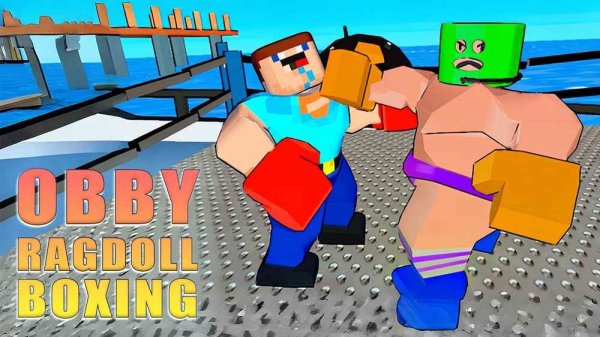
Core Gameplay Loop
At the heart of Wobbly Fighter Stadium lies a simple contest: two characters enter, one leaves victorious. What sets this experience apart is how each character reacts to force. Punches, shoves, and dodges cause limbs to flop and bodies to spin, turning every exchange into a comedic scene. Players must think about timing rather than mashing buttons, because a well-placed push when an opponent is off balance often leads to a win. The physics engine ensures that no two matches unfold identically, keeping each round fresh.
Character Customization Options
Before entering the arena, players can adjust the look of their fighter. The game offers a variety of visual skins and companion pets that follow the character during matches. These cosmetic changes do not affect performance, so the focus remains on skill. Unlocking new appearances happens through regular play, giving a steady sense of progress. This system encourages trying different combinations without creating an unfair advantage.
Arena Variety and Layouts
The fighting spaces in Wobbly Fighter Stadium are not all the same. Some arenas have narrow platforms, while others include obstacles that can be used for cover or to trap an opponent. Each environment changes how players approach a match. A wide open space favors aggressive movement, whereas a cramped corridor rewards careful positioning. This variety prevents the game from becoming repetitive and adds a layer of strategy to each bout.
Multiplayer and Solo Modes
Players can enjoy Wobbly Fighter Stadium alone against computer-controlled opponents or invite friends for local matches. The solo mode provides a steady difficulty curve, allowing newcomers to learn the basics before facing tougher AI. Multiplayer sessions are chaotic and fast, with short rounds that fit into a busy schedule. The game does not require an internet connection for local play, making it accessible in various settings.
Training and Practice Area
For those who want to improve, a dedicated practice mode is available. Here, players can experiment with different moves without the pressure of a live opponent. The training area shows how the physics respond to various inputs, helping players understand how to control their character better. This space is ideal for learning how to dodge, time attacks, and use the environment effectively before entering competitive matches.
Visual Style and Sound Design
The graphics use a bright, cartoon-like palette that matches the lighthearted tone. Characters are designed with exaggerated features that emphasize their wobbly movements. Sound effects accompany each hit and tumble, adding to the comedic feel. The music stays upbeat but never distracting, keeping the focus on the action. Overall, the presentation supports the game's goal of providing fun, stress-free entertainment.
COMMENTS
0 comments