
Core Caregiving Loop
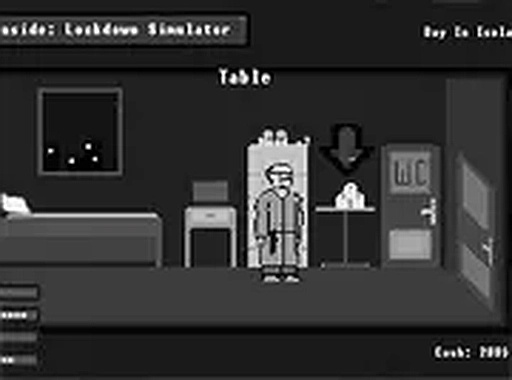
Phil Daily Care Simulator assigns you one clear job: keep Phil healthy and content while he stays at home for 30 in-game days. Four status bars—hygiene, hunger, health, and mood—act as the feedback system for every choice. Clicking icons lets you feed, clean, medicate, or entertain Phil. Each action nudges one or more bars, so the challenge is not knowing what to do but deciding which need is most urgent right now. The game runs in real time, which means bars can drift while you handle other tasks.
Work, Resources, and Trade-Offs
Money for supplies comes from completing work-from-home tasks. Clicking those tasks earns resources you then spend on food and medicine. This creates a constant tension: every minute spent working is a minute not spent watching Phil's status bars. Early in the 30-day run, stocking up on essentials reduces the risk of a sudden health or mood drop. Later, unexpected events and humorous scenarios interrupt routines, forcing you to adapt rather than follow a fixed schedule.
Reading the Status Bars
Health and mood carry the most weight—if either falls too low, the run can end prematurely. Hygiene and hunger tend to decline gradually, giving you a little more room to plan. When any bar enters a yellow or red zone, addressing it immediately is safer than finishing a work task first. Entertainment matters more than it first appears; keeping Phil happy helps prevent negative events that would otherwise drain your resources.
Who This Suits
The controls are mouse-only and easy to learn, so the difficulty comes from prioritization rather than dexterity. Players who enjoy strategy and life-management challenges will find the 30-day structure gives each session a clear finish line. There is no combat, no mature content, and no download required—the game runs directly in a browser.
COMMENTS
0 comments