
How the Guessing Works
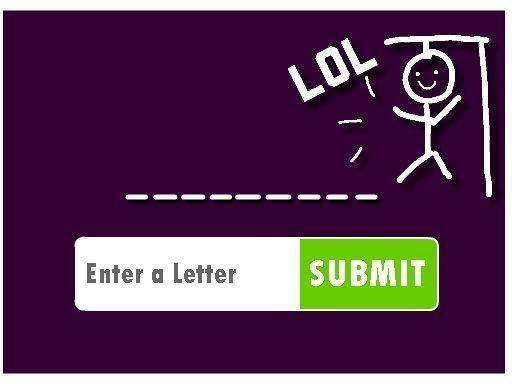
In Letter Discovery Puzzle, a row of blank spaces stands for a hidden word. You tap letters on an on-screen keyboard to guess. A correct pick fills the matching blank; an incorrect one is simply noted without any harsh sound or image. That single rule shapes the whole experience: every tap is a small test of spelling and letter position, and the blanks show exactly how much of the word is still unknown.
Word Categories and Random Play
Before a round, you can choose a category such as animals, foods, or common objects. A random option skips the category and picks a word without bias. Because the word pool changes with each choice, sessions do not repeat the same list. The vocabulary stays age-appropriate, so younger players meet familiar words while adults get a quick mental warm-up.
No Timer, No Pressure
There is no countdown and no score penalty for a wrong guess. You can sit with a blank for as long as you like, which suits short breaks and longer, unhurried sessions alike. When a word is completed, the game responds with gentle animations or sounds. The interface stays clean and uncluttered, so the focus remains on the letters rather than on menus or meters.
Learning Through Play
Repeated rounds reinforce spelling patterns and letter recognition. Seeing a correct letter drop into its exact place builds an intuitive feel for how words are structured. The category system also introduces new words naturally, expanding vocabulary without the feel of a formal lesson. For early readers, this supports literacy skills in a low-stakes setting.
Playing Together
The game is built for shared use. A parent and child can work through a word side by side, talking about letter choices and what the finished word means. Controls are simple enough that non-readers can take part with a little guidance. The content stays free of violent or mature material, which keeps it suitable for family play.
COMMENTS
0 comments