
Core Mission Structure
Players enter a series of arenas where the primary goal involves locating and freeing beings held in containment. Each arena presents different layouts and obstacles, requiring teams to adapt their approach. The mission structure encourages repeated playthroughs to refine strategies and improve completion times.
Role Selection & Abilities
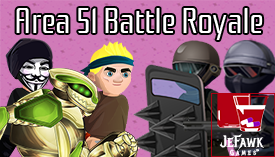
Before each session, players choose from several roles, each with distinct traits. One role offers high speed for quick movement across open areas, while another provides increased durability for holding positions under pressure. A third role specializes in stealth, allowing safe passage through guarded zones. A support role can restore teammates, extending their effectiveness during longer missions. An advanced role becomes available after gaining experience, blending traits from the earlier roles.
Team Coordination Strategies
Success depends on how well players combine their roles. Fast characters can gather resources quickly, while durable ones protect slower teammates. Stealth experts can scout ahead and mark safe routes. Support players keep the team functional during intense encounters. Teams that communicate and assign roles based on each member's strengths tend to complete objectives more efficiently.
Upgrade System & Progression
As players complete missions, they earn points to unlock upgrades that enhance their chosen role's capabilities. Upgrades might improve movement speed, increase durability, or shorten ability cooldowns. This progression system gives players a sense of growth and allows them to tailor their experience over time.
Game Modes Overview
Two primary modes are available. Team mode focuses on cooperative play, where groups work toward shared goals. Free-for-all mode shifts the dynamic, allowing players to compete individually while still interacting with the same arena elements. Both modes use the same role system but require different strategic approaches.
COMMENTS
0 comments