
The Core Objective
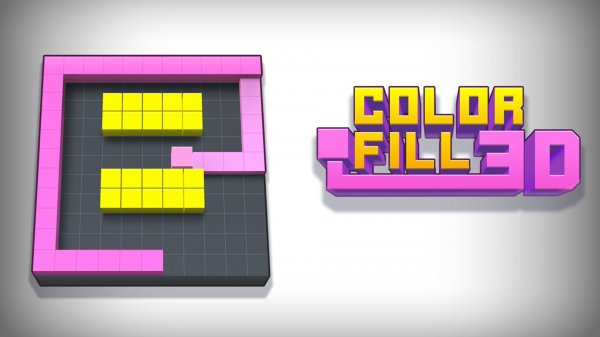
Tile Coverage 3D Puzzle presents a straightforward challenge with layers of strategic depth. Players maneuver a block across a three-dimensional grid, leaving a vibrant trail on every tile it passes over. The primary goal is to color every empty space on the board. This simple premise quickly evolves as players must consider the movement of opposing blocks that patrol the grid. Each level offers a new layout, requiring fresh approaches to achieve complete coverage.
Navigating Hazards
Roaming enemy blocks add tension to every move. These obstacles follow set or semi-random paths, and contact with them resets the current attempt. To counter this, players can create enclosed zones by surrounding areas with their color. When an enemy block enters a fully enclosed region, it is removed from play. This mechanic encourages players to think several steps ahead, balancing the need to fill tiles with the need to neutralize threats. Trapping enemies one by one is a safe method, while surrounding multiple at once offers a faster but riskier path to victory.
Visual and Interactive Design
The game uses bright, saturated colors and a clean 3D perspective to make each grid easy to read. The visual style is cheerful and uncluttered, helping players focus on planning their routes. The block moves smoothly across the surface, and the trail it leaves behind creates a satisfying visual feedback loop. The interface is minimal, with no distracting elements, allowing the puzzle itself to remain the center of attention. This design choice makes the game accessible to younger players while still appealing to adults who enjoy logical challenges.
Progression and Difficulty Curve
Early levels introduce the basic mechanics with simple grids and few obstacles. As players advance, the boards become larger and the enemy blocks move faster or follow more complex patterns. Some levels may introduce multiple enemy blocks that require coordinated trapping strategies. The difficulty increases gradually, ensuring that players have time to master each new element before facing tougher combinations. This pacing keeps the experience engaging without becoming frustrating. Each completed level provides a sense of accomplishment, encouraging players to tackle the next puzzle.
Strategic Approaches for Success
Observing enemy movement patterns before making a move is a key habit to develop. Planning a path that gradually encloses sections of the grid reduces the chance of being cornered. Players should avoid rushing into open areas without a clear escape route. Creating safe zones early in a level provides a buffer for later moves. Regular practice improves spatial awareness and timing, making it easier to predict where enemies will be. The most effective players learn to balance aggressive tile coverage with cautious defensive positioning.
COMMENTS
0 comments