
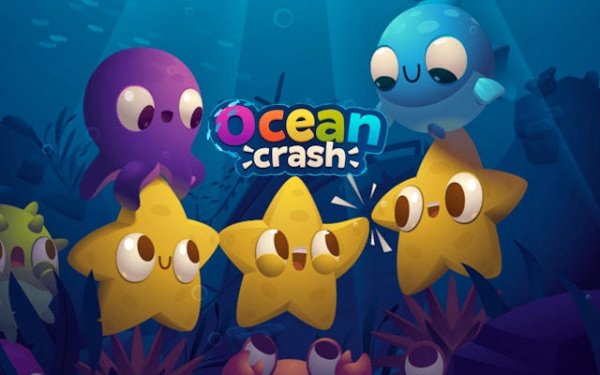
Rotating and Placing Tiles
The grid fills from the top with blocks made of three connected tiles, each showing a different marine animal. You can rotate a block before setting it down, which means every placement is a deliberate choice rather than a reflex. Line up three or more identical creatures horizontally or vertically, and those tiles disappear, freeing space and adding to your score. The incoming blocks do not stop, so the real challenge is deciding where each piece will do the most good without blocking future matches.
Planning Over Reflexes
Unlike many match-three games that reward fast clicking, this one rewards looking ahead. Because you control the rotation and position of every block, you can set up chain reactions where one match triggers another, clearing large sections of the grid at once. Keeping the center open gives you more options later, while stacking tiles near the edges can trap you. The game has no timer, so you can study the board as long as you like before committing to a move. That said, the pressure comes from the growing pile of blocks, not from a clock.
Difficulty and Session Length
As you clear more matches, the pace of incoming blocks may increase and the grid can become more crowded. This gradual ramp builds pattern recognition and forward-thinking skills without changing the basic rules. A session ends only when blocks stack to the top, turning each run into a test of strategic endurance. Because the game runs in a browser with no download, you can play in short bursts or push for a longer run whenever you have time.
COMMENTS
0 comments