
Core Gameplay Loop
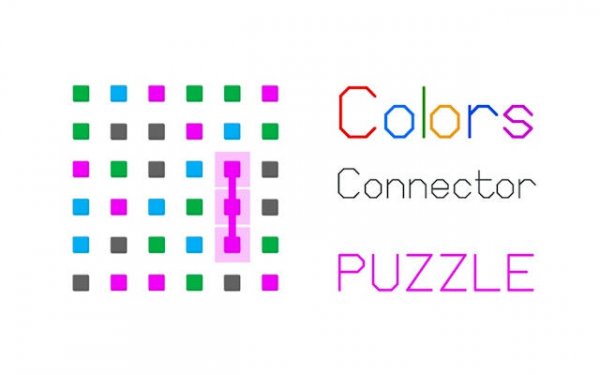
At its heart, Chromatic Link Strategy revolves around identifying groups of three or more adjacent tiles sharing the same color. Selecting such a group removes those tiles from the board, often causing tiles above to fall down and fill the gaps. This simple action creates a dynamic environment where every move reshapes the playing field. The challenge lies not in speed but in foresight. Players must consider how each removal will alter tile positions and what new matching opportunities might emerge. The game rewards those who can think several steps ahead, turning each session into a mental exercise in spatial reasoning and pattern recognition.
Level Progression and Difficulty Curve
The game introduces its mechanics gently, with early levels presenting small grids and abundant matching possibilities. As players advance, boards grow larger and tile arrangements become more restrictive. Later stages may require clearing specific colors or achieving a certain score within a limited number of moves. This gradual increase in complexity ensures that newcomers can learn the basics without frustration, while seasoned players find a steady stream of fresh challenges. Each level feels like a distinct puzzle, with its own layout and objectives, encouraging repeated play to master the strategies needed for higher scores.
Visual Design and User Experience
Chromatic Link Strategy employs a bright, clean aesthetic that makes tile colors easy to distinguish at a glance. The interface is minimal, with no distracting animations or cluttered menus. This clarity is essential for a game where quick visual scanning of the board is key to planning moves. Sound effects are subtle, providing gentle feedback for matches without overwhelming the player. The overall design philosophy prioritizes function over flash, creating a calm and focused environment that suits both short breaks and extended play sessions. The game runs smoothly in any modern browser, requiring no downloads or installations.
Scoring and Self-Improvement
After each level, the game displays a score based on the number of tiles cleared and the efficiency of moves used. This scoring system gives players a tangible measure of their performance and a reason to revisit earlier levels. Trying to beat a personal best on a familiar board can be just as engaging as tackling a new one. The game does not rely on external rewards like leaderboards or achievements; instead, it trusts the intrinsic satisfaction of solving a puzzle well. This focus on personal improvement aligns with the brain-training aspect of the genre, making each session a chance to sharpen cognitive skills like planning, memory, and attention to detail.
COMMENTS
0 comments